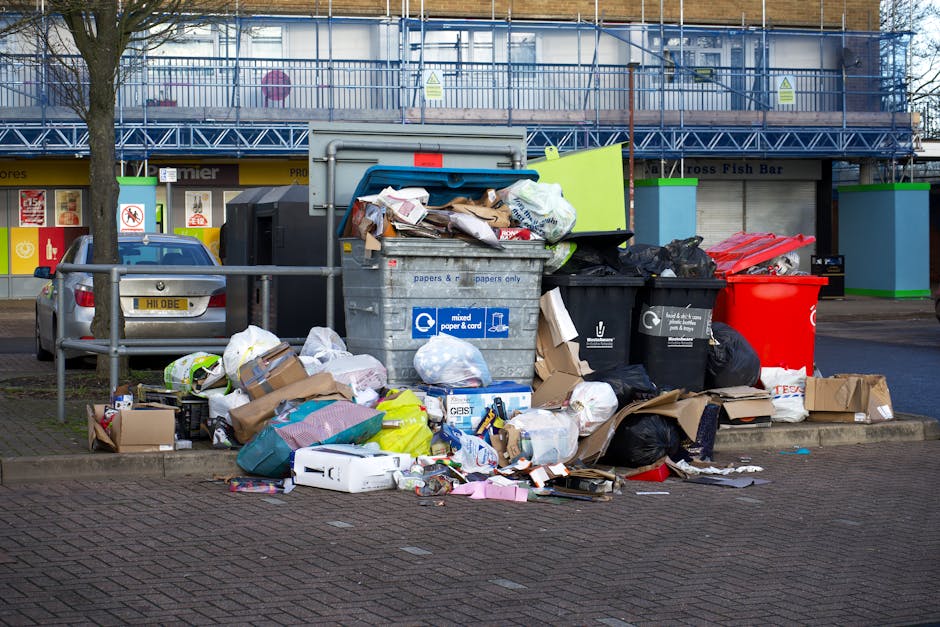
Avoid hidden rubbish removal charges in Havering
If you have ever booked rubbish removal and then watched the final bill creep up, you are not alone. The problem is rarely the skip itself or the pile of waste. It is the small print, the vague quote, the "extra" for access, or the mystery charge that appears after the job is done. In Havering, where homes, flats, garages, gardens, lofts, and workspaces all create different clearance needs, it pays to know how to avoid hidden rubbish removal charges in Havering before anyone turns up with a van and a smile.
This guide breaks down the common fees, the warning signs, and the simple steps that help you compare quotes properly. You will also find practical checklists, examples, and a few real-world habits that save money without cutting corners. Truth be told, a clear quote is usually a good sign all by itself.
Table of Contents
- Why this matters in Havering
- How rubbish removal pricing usually works
- Key benefits of spotting hidden charges early
- Who needs this advice most
- Step-by-step guidance
- Expert tips for better results
- Common mistakes to avoid
- Tools, resources and recommendations
- Law, compliance and best practice
- Options and comparison table
- Real-world example
- Practical checklist
- Conclusion
- Frequently asked questions
Why Avoid hidden rubbish removal charges in Havering Matters
Hidden charges are frustrating anywhere, but they sting more when you are already dealing with clutter, renovation waste, or the sort of household chaos that builds up quietly over months. In Havering, many jobs start as "just a few items" and quickly become a more involved clearance because access is tighter than expected, there are heavy objects to move, or the waste includes mixed materials.
What makes this topic especially important is that rubbish removal is often booked quickly. People need the space cleared before a move, after a tenant leaves, before builders arrive, or simply because the garage has become unusable. When you are in a hurry, it is easy to accept the first quote and hope for the best. That is exactly when surprise fees can slip in.
The goal is not to hunt for the cheapest number on paper. It is to understand what the price actually includes. A fair quote should be clear about labour, vehicle use, disposal, and any likely extras. If a company cannot explain those basics in plain English, that is a yellow flag. Maybe not a deal-breaker, but definitely worth a pause.
For local residents and businesses, this matters because different jobs need different approaches. A flat clearance is not the same as a loft clearance. Garden waste is not the same as office junk. If you know the shape of your job, you are in a far better position to spot vague pricing.
If you are comparing broader clearance options, it can help to look at the relevant service pages too, such as waste removal, house clearance, or garden clearance, depending on what you actually need cleared.
Expert summary: Hidden charges usually come from poor quoting, unclear access assumptions, or waste that was not described accurately. The safest approach is simple: get the full job defined before anyone starts loading.
How Avoid hidden rubbish removal charges in Havering Works
At its core, avoiding hidden charges means making the price visible before the job begins. That sounds obvious, but a surprising number of removals are priced loosely. A company may quote based on photos, a quick phone description, or an estimated volume. That can work well if both sides are careful. It can also go sideways very fast.
Most rubbish removal pricing is influenced by a few basic factors:
- Volume: how much space the waste takes in the van or truck.
- Weight: especially for builders' waste, rubble, soil, or dense materials.
- Type of waste: general household items, furniture, garden waste, or construction debris can all be handled differently.
- Access: stairs, narrow hallways, limited parking, or long carries from the property can affect labour time.
- Loading effort: flat-pack boxes are easier than broken furniture in a loft, and everyone knows it.
Sometimes a company quotes a base price and then adds fees for things that were not clearly discussed. Common examples include waiting time, additional labour, difficult access, extra floors, parking complications, or charges for heavier items. Not every extra is unfair. Some are legitimate if the job genuinely changes. The issue is whether they were disclosed upfront.
A useful rule is this: the quote should match the reality of the job. If you are clearing a one-bedroom flat, a garage full of mixed junk, or a garden full of cuttings and broken fencing, say so clearly. If the item list changes after the quote, a revised price may be justified. But the change should be explained before work starts, not after the van is loaded.
For more detail on how transparent pricing is typically presented, take a look at the company's pricing and quotes information. It is always easier to compare properly when you know what should be included.
Key Benefits and Practical Advantages
There is more to this than just saving a few pounds. Clear pricing creates a much calmer experience. That might sound small, but when you are standing in a hallway full of old furniture and bagged rubbish, calm is worth something.
Here are the main benefits of staying alert to hidden rubbish removal charges:
- Better budgeting: You know what you will pay before the job begins.
- Less stress: No awkward surprises at payment time.
- More accurate comparisons: You can compare like for like, not apples with oranges.
- Faster decisions: Clear quotes make it easier to choose a provider.
- Better service fit: A company that asks the right questions is more likely to send the right team and vehicle.
There is also a practical upside for bigger projects. If you are planning a loft clearance, garage clearance, or full home clearance, hidden fees can throw off your moving schedule or renovation budget. One extra charge can be manageable. Three or four of them, less so.
To be fair, some customers focus only on the headline price and miss the bigger picture. That is understandable. Nobody wants to spend an afternoon reading terms and conditions for fun. Still, a few minutes of checking can prevent a long and expensive headache.
For property clearances, it can help to compare related options such as loft clearance, garage clearance, or furniture disposal if your job involves a specific type of waste.
Who This Is For and When It Makes Sense
This advice is useful for more people than you might think. It is not just for homeowners with a house full of old furniture. It also helps tenants, landlords, office managers, tradespeople, and small businesses that need rubbish cleared quickly and cleanly.
You will especially benefit from being careful about charges if you are:
- clearing a property before or after a move
- dealing with an end-of-tenancy cleanout
- disposing of bulky furniture or white goods
- removing builders' rubble, timber, or mixed renovation waste
- emptying a garage, loft, shed, or storage area
- clearing offices, stockrooms, or commercial spaces
- booking a one-off collection and want a fixed budget
There is also a timing angle. If you are booking during a busy period, such as before a house move or after a renovation stage, you may be under pressure to say yes quickly. That is exactly when a clear quote matters most. A rushed decision can lead to a much higher final bill than you expected.
For businesses, there is another layer: waste needs to be handled efficiently, with minimal disruption. If a provider is vague about loading time or access charges, the cost can climb while your staff wait around. A proper discussion up front usually prevents that. If you need a more regular arrangement, the business waste removal page may be useful as a starting point.
Step-by-Step Guidance
Here is a straightforward way to protect yourself from hidden charges. Nothing fancy. Just a sensible process that works.
- Describe the waste clearly. List the items, the type of waste, and whether anything is heavy, awkward, damp, or broken.
- Be honest about access. Mention stairs, narrow paths, parking issues, lift access, and any long carry from the road.
- Ask for a written quote. Even a simple written summary by email is better than a vague verbal estimate.
- Check what the price includes. Labour, loading, transport, disposal, and VAT if applicable should all be explained clearly.
- Ask about possible extras. Find out what would trigger a higher charge, and in what circumstances.
- Send photos if helpful. A few good pictures can reduce guesswork. Take them in daylight if you can; oddly enough, rubbish always looks worse in the evening.
- Confirm payment terms. Know whether payment is due before, during, or after the work, and what methods are accepted.
- Recheck the plan on the day. If the job has changed, say so before loading starts.
A small but useful habit: keep the quote, any messages, and the final receipt together. If there is ever a disagreement, that paper trail helps. Not glamorous, but very effective.
If you want to understand broader service expectations, you may also find the site's terms and conditions and payment and security pages helpful.
Expert Tips for Better Results
In practice, the best protection against hidden rubbish removal charges is communication. Good providers ask a lot of questions. That is not fussiness; it is a sign they are trying to price the job correctly.
1. Use itemised descriptions, not general labels
Saying "a bit of rubbish" is the quickest way to get a fuzzy quote. Say "two three-seater sofas, four bags of mixed household waste, one chest of drawers, and a broken bedside table" instead. Specifics are your friend.
2. Mention anything awkward early
If the waste is in a loft, behind heavy garden furniture, or on an upper floor, say so. A simple "there are two flights of stairs" can make a big difference to the quote.
3. Ask whether the quote is fixed or estimated
A fixed quote gives you more certainty. An estimate may still be fine, but only if you know how and when it can change.
4. Clarify what counts as mixed waste
Some loads include a mix of wood, metal, furniture, and general junk. That is normal. What matters is whether the provider has priced for mixed waste or is likely to apply a change later.
5. Compare service quality, not just price
A lower quote is not always a better quote. If one provider is clearer, more responsive, and specific about what is included, that can save time and money in the end. Less drama, fewer surprises. Nice.
For awkward clearances involving furniture or bulky items, it may also help to look at furniture clearance so you understand how those jobs are usually scoped.
Common Mistakes to Avoid
Most hidden charge problems start with one of a handful of simple mistakes. The good news? They are easy to dodge once you know them.
- Giving a vague description of the job. This leads to estimates, not proper quotes.
- Forgetting access details. A provider cannot price a long carry or awkward staircase properly if they do not know about it.
- Assuming all waste is treated the same. Different waste types can affect labour and disposal arrangements.
- Ignoring extra items added on the day. A few more bags may seem minor, but they can change the job size.
- Not asking what happens if the load is larger than expected. This is one of the most common sources of dispute.
- Choosing on price alone. Cheap and clear is great. Cheap and unclear is where problems begin.
Another common issue is forgetting that the job may take longer than expected. A loft full of dusty boxes, for example, can be slower than a neat pile of bagged waste in the driveway. Dust, stairs, and old packing material all add time. Small things, big effect.
If your clearance involves household waste mixed with outdoor rubbish, it is worth reviewing home clearance and garden clearance options so you can describe the job accurately.
Tools, Resources and Recommendations
You do not need special software or anything complicated to avoid hidden charges. A phone camera, a notes app, and a bit of organisation will do the job nicely.
Here are the most useful tools and habits:
- Phone photos: Take wide shots and close-ups of the waste pile and access route.
- Written list: Keep a simple item list of what is going and what is staying.
- Message thread or email: This gives you a record of what was promised.
- Payment confirmation: Make sure you understand whether payment is taken before loading or after completion.
- Service page reference: Use the provider's relevant page to understand the type of job, such as office clearance for commercial waste or builders waste clearance for renovation debris.
It can also help to check company background pages such as about us and insurance and safety. Those pages will not tell you everything, but they can add confidence that the business is organised and takes its responsibilities seriously.
For environmentally minded customers, the recycling and sustainability page is worth a look too, because disposal methods can be part of the service value, not just the price.
Law, Compliance, Standards, or Best Practice
Rubbish removal in the UK is not just a matter of turning up with a van. Waste must be carried and disposed of responsibly, and customers should be wary of anyone who seems casual about that side of the job. Exact legal duties depend on the waste type and the situation, so it is sensible to treat compliance as a basic expectation rather than a marketing extra.
Best practice usually means:
- pricing the job honestly and clearly
- describing the waste accurately
- handling waste safely during loading and transport
- disposing of waste through legitimate channels
- being upfront about limitations, surcharges, or excluded items
If a quote feels too vague to be real, it probably is. That does not automatically mean the company is dishonest, but it does mean you need more detail before agreeing. There is nothing wrong with asking, "Is that the full price?" or "What could make this cost more?" In fact, that is exactly the right question.
For customers booking waste work at home or in a business setting, good practice also includes checking safety and payment arrangements in advance. A reliable provider should be willing to explain these points without making you feel awkward for asking. If they act offended, that tells you quite a lot, frankly.
Options, Methods, or Comparison Table
Different ways of arranging rubbish removal carry different risks of hidden charges. Here is a simple comparison to help you think it through.
| Method | Best for | Pros | Risk of hidden charges |
|---|---|---|---|
| Fixed written quote | Clear, defined jobs | More certainty, easier budgeting | Lower, if the scope is accurate |
| Estimate based on photos | Smaller or straightforward loads | Quick and convenient | Medium, if access or volume is unclear |
| On-site assessment | Large, awkward, or mixed waste | Best chance of accurate pricing | Lower, though the final price can still change if the job changes |
| Verbal quote only | Rarely ideal | Fast | Higher, because details can be forgotten or disputed |
In most cases, a written quote based on a clear description is the sweet spot. If the job is more complex, an on-site view may be better. You are trying to reduce guesswork. That is really the whole game here.
Case Study or Real-World Example
Imagine a family in Havering clearing out a garage before a new car arrives. At first glance, it looks simple: some old boxes, a broken chair, a mattress, and a few bits of garden waste. The first quote is tempting because it is quick and low. But then the provider asks a few questions and the picture changes.
There is no direct driveway access, the garage is at the end of a narrow path, and the mattress is damp and heavy. The family also realises they have forgotten two more cupboards and several bags of mixed rubbish from a loft clear-out. Suddenly the job is larger, and the original quote no longer fits.
That is not a scam. It is a pricing issue caused by incomplete information. In this kind of situation, a fair provider will explain the change before work begins. The customer, meanwhile, avoids a nasty surprise because the extra cost is discussed openly. Everybody stays calmer. The garage gets cleared. No one has to do the awkward invoice dance at the end.
This is why photos, item lists, and access details matter so much. Small details really do shape the final price.
Practical Checklist
Use this checklist before you book any rubbish removal in Havering.
- Have you listed the waste items clearly?
- Have you explained the access route, stairs, and parking situation?
- Do you know whether the quote is fixed or estimated?
- Have you asked what the price includes?
- Have you checked for possible extra charges?
- Have you sent photos if the job is awkward or large?
- Have you confirmed payment terms?
- Have you compared at least two quotes, if time allows?
- Have you kept a written record of the agreement?
- Do you understand what happens if the load changes on the day?
If you can tick most of those boxes, you are in a strong position. Not perfect maybe, but solid. And that is usually enough to avoid trouble.
Conclusion
Hidden rubbish removal charges are rarely mysterious once you know where they come from. In most cases, they appear because the job was described too loosely, the access details were missed, or the quote left too much room for interpretation. The fix is simple: be specific, ask direct questions, and insist on clarity before the work starts.
In Havering, where rubbish removal can range from a single bulky item to a full property clearance, that clarity is worth holding onto. It saves money, reduces stress, and helps you choose a provider with confidence. And really, that is what good service should do. Make life easier, not busier.
If you are planning a clearance and want a straightforward, transparent starting point, take a look at the relevant service information, review the pricing details carefully, and use the checklist above before you commit.
Get a free quote today and see how much you can save.
Frequently Asked Questions
How do I avoid hidden rubbish removal charges in Havering?
Give a detailed description of the waste, explain access issues, ask for a written quote, and confirm what is included before booking. Clear information usually leads to clearer pricing.
What are the most common surprise charges?
Typical extras include difficult access, extra labour, long carrying distances, heavy items, parking problems, and loads that turn out to be larger than first described.
Is a cheaper quote always better?
Not necessarily. A low price can look attractive, but if it is vague or missing key details, the final bill may be higher than a slightly more expensive but clearer quote.
Should rubbish removal quotes be written down?
Yes, ideally. A written quote or message thread gives you a record of the agreed price and helps avoid misunderstandings later.
Do photos help reduce hidden charges?
They usually do. Good photos help the provider estimate the job more accurately, especially if you have bulky furniture, mixed waste, or awkward access.
What if the waste changes on the day?
If the load changes, the price may need to change too. The key is that the revised cost should be explained clearly before work begins.
Can access problems affect the price?
Yes. Stairs, narrow corridors, limited parking, and long carries can all increase labour time, so they should be discussed early.
How can I compare rubbish removal companies properly?
Compare what each quote includes, not just the headline number. Look at access assumptions, labour, disposal, payment terms, and whether the quote is fixed or estimated.
Are fixed quotes better than estimates?
For most people, yes. A fixed quote gives more certainty. Estimates can still work, but only if you understand when the price might change.
What should I ask before booking waste removal?
Ask what is included, what could cost extra, whether the price is fixed, how payment works, and what information the provider needs from you to confirm the job.
Does the type of waste matter?
Very much so. General household waste, garden waste, furniture, and builders' waste can all affect how the job is priced and handled.
Where can I find more information about pricing and service options?
Review the provider's pricing, service, and policy pages first. For example, the pricing and quotes page, along with relevant service pages such as house clearance or builders waste clearance, can help you understand what to expect.