Garden Clearance Havering: Recycling and Sustainability
Welcome to our overview of how Garden Clearance Havering approaches eco-friendly waste disposal and sustainable rubbish management across the borough. This page outlines our practical targets, local partnerships, and the operational choices we make to reduce carbon emissions and maximise reuse. We prioritise a circular, low-impact service model that complements the borough's approach to waste separation and supports local environmental goals.Our commitment to responsible garden waste clearance in Havering is guided by a clear recycling percentage target and measurable actions. We work to divert green waste from landfill by increasing composting and material recovery.
Recycling percentage target
Target: 75% diversion of all reclaimable materials from garden clearances within two years, including wood, soil, turf, and plant material. This target aligns with wider local strategies to improve reuse and recycling rates across London boroughs. We monitor progress using clear metrics and collaborate with the borough's separation scheme, which encourages residents to separate food, garden organics, paper, glass, metals and plastics. Our team trains crews in best practice for on-site separation so that Havering garden clearance collections feed into the correct streams and avoid contamination—essential for achieving the diversion target.
Local transfer stations and material flows
To make sustainable rubbish removal practical, we use approved local transfer stations and materials recovery facilities (MRFs) in and around Havering. These stations allow us to sort loads efficiently and to route separated streams—green waste to composting sites, timber to recycling yards, and inert soils to suitable processing plants. The proximity of transfer stations reduces empty miles and supports a low-carbon logistics plan.Our operators coordinate with borough transfer services to ensure that reclaimed materials are processed locally wherever possible.
Key local activities include
- Composting and green waste processing
- Wood chipping and reuse for mulch
- Segregation of recyclable timber and metal
- Delivery of usable topsoil to community projects
 We also maintain records of material destinations to provide transparency about the life-cycle of cleared goods. In cases where items are salvageable—such as planters, paving slabs or timber furniture—these are separated for potential reuse or donation rather than being processed as waste.
Partnerships with charities and community reuse
Part of our sustainable rubbish strategy is building partnerships with local charities and social enterprises. We collaborate with community groups in Havering and neighbouring boroughs to redirect usable items recovered during garden clearance. Charitable partners can accept good-condition tools, plant pots and garden furniture, giving items a second life while supporting local causes.We maintain robust sorting protocols so that donated items meet partner acceptance criteria. This reduces the need for disposal and supports community projects such as allotments and urban greening initiatives. Our approach to Havering garden clearance therefore creates social as well as environmental value.
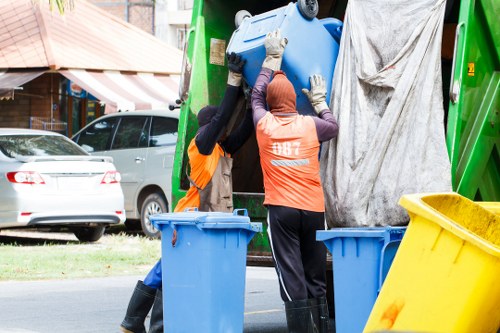 To further reduce environmental impact, our fleet includes low-carbon vans and efficient route planning software. These vehicles—hybrid and electric where feasible—lower the service's carbon footprint. We continuously review fleet performance against emissions targets and invest in low-emission alternatives as they become commercially viable.
Operational best practice and borough coordination
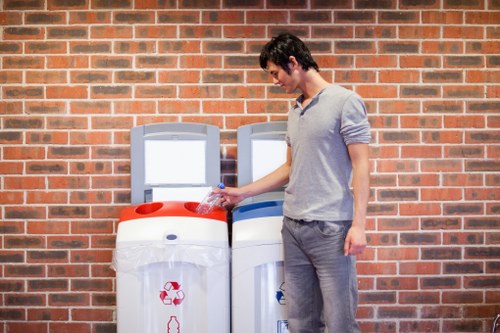
Our teams adopt standard operating procedures aligned with the borough’s waste separation guidelines. Crews carry segregated containers and use on-site triage to separate compostable material, recyclable solids and non-recyclable refuse. This reduces contamination and maximises the volume of material that enters recycling streams.Performance monitoring includes periodic audits of loads, feedback loops with transfer stations, and joint reviews with charity partners to improve reuse rates. We set quarterly benchmarks against the 75% diversion target and adjust collection and sorting methods to meet or exceed local authority expectations for sustainable rubbish management.
In summary, our vision for eco-friendly garden clearance in Havering is built on measurable recycling targets, practical partnerships with local transfer stations and charities, and a commitment to low-carbon transport. By choosing an approach that emphasises reuse, composting, and careful separation, we help protect local green spaces and support the borough's long-term sustainability goals. Whether called Havering garden clearance or garden waste clearance Havering, our services strive to be responsible, transparent, and effective in turning cleared waste into valuable resources.