Upminster garden rubbish collection and green waste tips
Clearing a garden can feel simple right up until you're staring at a damp pile of hedge cuttings, broken planters, soil, old turf, and a branch that somehow got twice as heavy overnight. If you live in Upminster and want a cleaner, calmer way to deal with the mess, this guide to Upminster garden rubbish collection and green waste tips will help you sort what to keep, what to compost, what to recycle, and when a proper clearance makes more sense than another round of bin-bag wrestling.
Whether you're tidying after a weekend of pruning, dealing with a full-scale garden makeover, or just trying to keep on top of the weekly green waste, the aim is the same: make disposal easier, safer, and more cost-effective. You'll find practical advice here, plus a few real-world pointers that are easy to use on a wet Sunday morning when the wheelie bin is already full. Let's get into it.
Table of Contents
- Why Upminster garden rubbish collection and green waste tips Matters
- How Upminster garden rubbish collection and green waste tips Works
- Key Benefits and Practical Advantages
- Who This Is For and When It Makes Sense
- Step-by-Step Guidance
- Expert Tips for Better Results
- Common Mistakes to Avoid
- Tools, Resources and Recommendations
- Law, Compliance, Standards, or Best Practice
- Options, Methods, or Comparison Table
- Case Study or Real-World Example
- Practical Checklist
- Conclusion
- Frequently Asked Questions
Why Upminster garden rubbish collection and green waste tips Matters
Garden waste is one of those things that looks harmless until it starts taking over the space you actually want to use. A few sacks of cuttings can turn into a slippery pile, attract pests, block paths, and make a tidy garden feel instantly chaotic. In Upminster, where many homes have front and back gardens of different sizes, garden rubbish often builds up in a way that catches people off guard. One week it's just a bit of trimming; the next it's a whole corner of the patio that you can't quite face.
Good garden rubbish collection is about more than emptying bags. It helps you separate organic green waste from mixed rubbish, reduce what goes to landfill, and avoid the common trap of throwing everything into one heap because it feels faster. Truth be told, that "I'll deal with it later" pile can become a proper headache. Once wet leaves, soil, and woody cuttings compact together, they're heavier, messier, and more expensive to move. Not ideal.
For local households, landlords, tenants, and businesses with outdoor areas, the right approach saves time and keeps the property looking cared for. It also helps you stay in step with sensible waste-handling habits, which matters even if you're only clearing a small border bed or a few bags of hedge clippings.
If you want a broader, structured clearance service for mixed outdoor waste, it can help to look at garden clearance alongside your own sorting and composting habits. That combination is often the sweet spot.
How Upminster garden rubbish collection and green waste tips Works
At a practical level, the process is straightforward: separate the waste, decide what can stay on site, decide what needs recycling or collection, and then move it out in a clean, manageable way. Sounds easy. In reality, the trick is knowing what category each item belongs in.
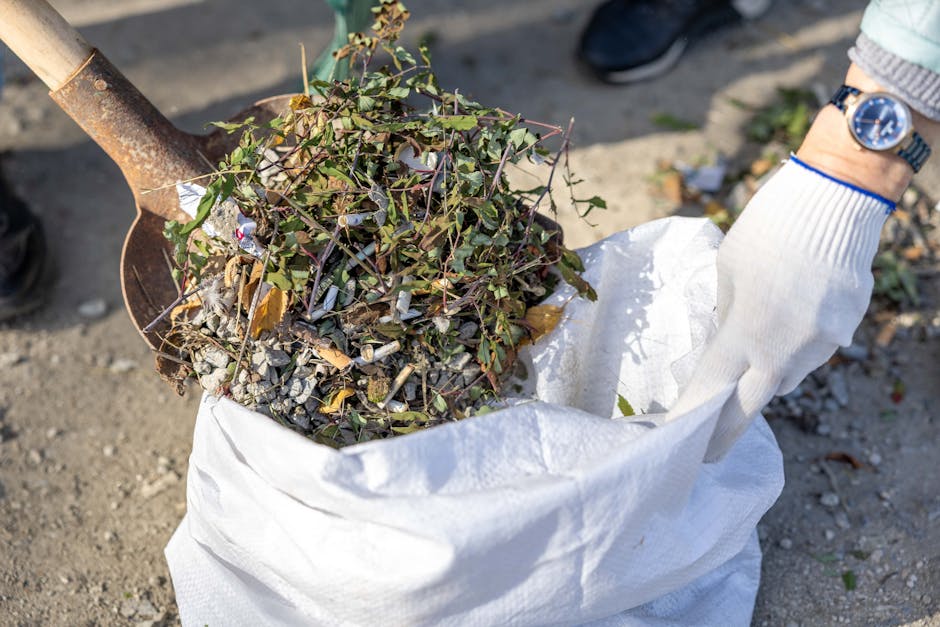
Green waste usually includes grass cuttings, leaves, weeds, small branches, prunings, hedge trimmings, and plant material. Garden rubbish is the broader mix. That could include broken pots, old fencing offcuts, bags, windblown litter, damaged outdoor furniture, unwanted soil, stones, or leftover materials from landscaping. Different materials need different handling, and mixing them can make the whole job slower.
Collection methods usually fall into a few groups:
- Home sorting and composting for the soft, organic stuff.
- Local collection or bin use for smaller regular amounts.
- Loaded clearance for bulky, heavy, or mixed waste that won't fit in normal bins.
- Recycling and reuse for soil, wood, metal, or other separable materials where suitable.
In many gardens, the most efficient system is a simple one: one pile for compostable green waste, one pile for reusable material, and one pile for disposal. That's it. No drama. If a branch is too thick, a bag is too wet, or the pile contains too much mixed debris, it's usually a sign you need a different approach rather than forcing it into a standard bin route.
For larger clear-outs, a dedicated waste removal solution can be more practical than trying to manage everything in stages yourself. And if the job follows building work as well, the same garden may contain rubble, soil, and wood together. In that case, builders waste clearance may be the more suitable route for the mixed load.
Key Benefits and Practical Advantages
The biggest benefit is obvious: a clearer garden. But the useful gains go beyond appearance. When garden rubbish is handled properly, you protect the lawn, make paths safer, and prevent organic waste from sitting around long enough to smell sour or go slimy. Nobody wants to step out to trim the roses and be greeted by a damp, decomposing pile. Not exactly the dream morning.
Here are the main advantages people notice:
- More usable space for seating, planting, play, or storage.
- Better hygiene because rotting waste is removed quickly.
- Lower risk of garden pests sheltering in hidden piles.
- Cleaner kerb appeal for homes that are being rented, sold, or simply cared for well.
- Less strain when heavy loads are split up sensibly or collected by professionals.
- Better recycling outcomes when green waste is separated from general rubbish.
There's also a psychological benefit, which sounds a bit grand but is true. A garden that looks organised is easier to maintain. Once the waste is under control, the space stops shouting at you every time you look through the window. You'll notice that small sense of relief almost immediately.
For properties that need a broader refresh, it can be helpful to combine outdoor work with other decluttering projects, such as garage clearance or even home clearance, so the whole property feels reset rather than half-finished.
Who This Is For and When It Makes Sense
Garden rubbish collection matters for a lot more people than just enthusiastic gardeners. In our experience, the most common situations are pretty ordinary. A hedge gets trimmed after a windy spell. A family clears the garden before a birthday barbecue. A landlord wants the outside space ready for new tenants. A homeowner finally tackles the back corner that has become a sort of accidental storage unit. Happens all the time.
This guidance is especially useful if you are:
- a homeowner with regular pruning and mowing waste
- a tenant trying to leave an outdoor area tidy at the end of a tenancy
- a landlord preparing a property between lets
- a gardener or landscaper managing mixed green waste and debris
- a business with outdoor planters, courtyards, or frontage areas
- someone undertaking a small garden redesign or seasonal clear-up
It also makes sense if you have awkward waste that's too heavy for garden bags, too bulky for a standard bin, or too mixed for simple composting. Think wet turf, roots, soil, branches, and broken items all in one go. That's usually where a lot of people realise they need a smarter plan.
If you're dealing with exterior waste as part of a property-wide clear-out, services like house clearance or flat clearance may also be relevant when indoor clutter and outdoor waste are happening at the same time.
Step-by-Step Guidance
The easiest way to stay in control is to work in stages. Not glamorous, maybe, but effective.
- Walk the garden first. Look at the full job before lifting anything. You're checking for hidden rubble, broken glass, buried pots, or heavy items under the obvious green waste.
- Sort by material. Put green waste, wood, soil, and general rubbish into separate piles if you can. This makes composting and collection much easier.
- Cut large waste down. Long branches, thick stems, and tangled ivy are easier to manage once reduced in size.
- Keep wet and dry waste apart. Wet grass and leaves are much heavier than they look, and dry material is more suitable for some compost systems.
- Remove contaminants. Plastic ties, bits of wire, plant labels, and broken pots should come out of the green waste stream.
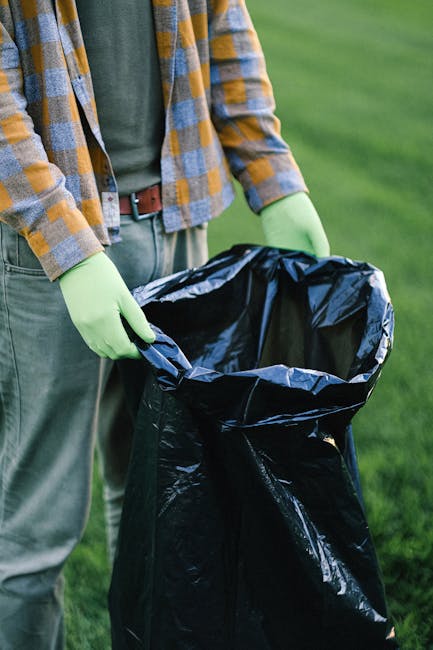
- Bag or bundle sensibly. Use strong sacks or tie branches into manageable bundles so nothing bursts mid-carry. A broken bag on a driveway is one of those tiny disasters that feels bigger than it should.
- Decide what can be reused. Healthy branches can be chipped, leaves can be composted, and some soil may be reused if it's clean and free of contamination.
- Book collection for the rest. Anything bulky, mixed, or too much for your own transport should be taken care of through a proper collection route.
A useful rule of thumb: if the waste is mainly organic and clean, treat it as green waste. If it includes mixed materials, hard landscaping debris, or broken household items, move it into the wider waste stream. Simple enough on paper, but this decision is where many people save the most time.
Expert Tips for Better Results
Here's where a bit of experience helps. Small choices make a surprisingly big difference, especially in a typical Upminster garden where space may be limited and access to the side path can be awkward.
- Tackle the dry material first if possible. Dry leaves and clippings are lighter, easier to move, and less likely to smear mud across paths.
- Work from the back of the garden forward so you don't keep stepping over the same pile twice.
- Use a tarp to drag light waste across lawns without turning the whole garden into a mud trail.
- Don't overfill sacks. Yes, it feels efficient. Then you pick them up and your shoulder disagrees.
- Keep a small "scan pile" for stones, screws, and bits of hard waste you spot while clearing. Tiny bits matter.
- Cut before bagging where it is safe to do so. Shorter pieces compact better and reduce wasted space.
- Think ahead about access. If a wheelbarrow won't fit through a narrow side return, plan the route before you start filling bags.
A lot of people also underestimate how much garden waste weighs once it's wet. A morning shower can change a neat pile into something that feels twice as heavy by lunchtime. If rain is due, it can be smarter to clear earlier in the day or wait for a dry spell. Not always convenient, but it saves effort.
For businesses managing outdoor areas, keeping the site tidy can also tie into a wider maintenance routine. In those cases, business waste removal can be helpful when garden waste sits alongside other operational rubbish.
Common Mistakes to Avoid
Most garden waste problems come from a few predictable mistakes. They're easy to make, which is why they're worth flagging clearly.
- Mixing everything together. Once green waste is contaminated with plastic, rubble, or packaging, it's harder to recycle properly.
- Ignoring weight. Soil, turf, and wet cuttings get heavy quickly. Very quickly.
- Leaving waste in piles for too long. This invites smell, pests, and a general sense that the garden has given up.
- Overusing bags that aren't strong enough. Thin sacks split at the worst moment, usually at the gate.
- Forgetting about hidden sharp items. Broken terracotta, canes, and rusty fixings can catch hands and arms.
- Composting the wrong material. Diseased plants, invasive weeds, and too much woody waste can create problems in a home compost system.
Another common issue is trying to complete a whole garden clearance in one breathless session. It sounds efficient, but it usually leads to fatigue, poor sorting, and a bigger mess by the end. Two focused sessions often beat one chaotic one. Simple. Boring. Effective.
Tools, Resources and Recommendations
You do not need a shed full of specialist kit to handle garden waste well, but a few basic tools make life much easier. A pruning saw, sturdy gloves, a rake, secateurs, strong sacks, and a tarpaulin will cover a lot of ground. A wheelbarrow helps too, especially if the garden is larger or the access is awkward.
If you're dealing with a mixed or larger clearance, it can help to think in practical service categories rather than trying to force the job into one box. For example:
- recycling and sustainability for a more mindful approach to sorting materials
- pricing and quotes if you want clarity before booking a collection
- insurance and safety for reassurance around safe handling and responsible work practices
- health and safety policy if you want to understand how safety is approached on site
For some households, the best tool is not a tool at all, but a better routine: one bag for soft cuttings, one for woody waste, and one for non-organic debris. That simple split can keep the whole process moving without too much thinking. And honestly, less thinking is sometimes the win.
Law, Compliance, Standards, or Best Practice
Garden waste handling in the UK is shaped by sensible best practice, local collection rules, and the general duty to keep waste controlled, safe, and properly transferred. Rather than guessing at specific local requirements, it is wiser to follow a cautious approach: separate waste where practical, do not place restricted materials into organic waste, and make sure anything handed to a collector is handled responsibly.
For homeowners, the key practical point is to avoid leaving waste where it can blow away, obstruct pathways, or create a nuisance. For landlords, businesses, and property managers, there is a stronger expectation to keep outdoor spaces tidy and to arrange removal in a way that suits the site and the type of waste.
Good practice usually means:
- separating green waste from non-organic rubbish
- keeping sharp or hazardous items out of general piles
- avoiding overloading bins or bags beyond what they can safely hold
- using a responsible collection route for bulky or mixed waste
- choosing a service approach that supports recycling where possible
If you are unsure whether something belongs in the green waste pile, treat it cautiously. A bit of extra sorting is usually better than contaminating an entire load. That's the boring answer, but it's the right one.
Options, Methods, or Comparison Table
There is no single best method for every garden. The right choice depends on volume, weight, access, and how mixed the waste is. Here's a simple comparison to help you judge the options.
| Method | Best for | Pros | Watch-outs |
|---|---|---|---|
| Home composting | Leaves, grass, small soft plant matter | Low-cost, sustainable, convenient for ongoing garden care | Not suitable for all waste types; needs sorting and patience |
| Garden bags and staged self-disposal | Small to medium clear-ups | Flexible and easy to organise over a weekend | Can become time-consuming; heavy loads are awkward |
| Dedicated garden clearance | Larger, bulkier, or mixed garden waste | Fast, practical, suited to one-off jobs | Less hands-on control for the homeowner, depending on the setup |
| Full property waste removal | Outdoor and indoor clutter together | Efficient for wider clear-outs and major tidy-ups | May be more than you need for a small garden-only job |
For many people, the choice comes down to one question: is this a routine tidy-up or a proper clearance? If it's routine, composting and small bagged collections may be enough. If it's a big weekend project, a dedicated service will probably save you more time than you think.
Case Study or Real-World Example
A fairly typical Upminster scenario goes like this. A homeowner spends Saturday morning trimming back a hedge, pulling weeds from a flower bed, and lifting out a few old pots that have cracked over winter. By lunchtime there's a neat-looking garden on one side and a chaotic mixture of cuttings, pot shards, soil, and bags on the other. It starts to feel bigger than planned. Of course it does.
Instead of forcing everything into one type of bag, the waste gets separated into three simple groups: soft green waste, hard broken items, and heavier soil-and-root material. The soft waste is set aside for composting. The broken pots and plastic pieces are collected separately. The heavy material is grouped for proper removal. That small bit of sorting makes the rest of the job quicker and much less frustrating.
By the end, the space looks open again. The path is clear, the patio is usable, and the next week's maintenance is easier because nothing is hiding under a pile of cuttings. It's not dramatic. It's just the difference between a garden that feels stuck and one that feels manageable.
That's the real value of good garden waste handling: it turns a messy job into a controlled one.
Practical Checklist
Use this before you start a garden tidy-up or collection plan.
- Walk the garden and identify all waste piles.
- Separate green waste from general rubbish.
- Remove plastic, wire, labels, and broken non-organic items.
- Cut long branches or stems into manageable sections.
- Check whether the waste is dry, wet, light, or heavy.
- Put soil, turf, and roots into a separate pile if possible.
- Use strong bags or bundles that will not split.
- Keep walkways and steps clear while working.
- Decide what can be composted or reused.
- Arrange collection for bulky or mixed material.
Expert summary: The easiest garden clear-ups are the ones where you sort before you lift. A little structure at the start saves time, reduces strain, and keeps recyclable waste out of the wrong pile.
If the job feels bigger than expected, that is usually a sign to pause and reassess rather than push through and make it harder. A tidy method beats a rushed one nearly every time.
Get a free quote today and see how much you can save.
Conclusion
Upminster garden rubbish collection and green waste tips are really about keeping the process calm, sensible, and manageable. Once you know what counts as green waste, what needs separating, and when a proper collection is the smarter choice, garden maintenance stops feeling like a never-ending chore.
The best outcomes usually come from a simple mix of good sorting, realistic expectations, and timely removal. Compost what you can, recycle what makes sense, and don't be shy about getting help with bulky or mixed waste. That is not laziness. It is common sense, and to be fair, common sense is underrated.
A well-kept garden doesn't just look better. It feels easier to live with. And that quiet, tidy feeling at the end of the day? Worth it.
Frequently Asked Questions
What counts as green waste in a garden clearance?
Green waste usually includes grass cuttings, leaves, weeds, hedge trimmings, plant prunings, and small branches. If it is organic plant material and reasonably clean, it often belongs in the green waste stream rather than general rubbish.
Can I put soil and turf with green waste?
Sometimes, but not always. Soil and turf are heavy and can complicate composting or collection, so it is usually better to separate them if you can. That makes handling easier and keeps softer green waste cleaner.
What is the best way to collect garden rubbish at home?
The best method depends on the volume and mix of waste. Small, clean cuttings can be bagged or composted. Larger, mixed, or heavy waste is often better handled through a dedicated clearance or removal service.
How do I stop green waste from smelling?
Do not leave wet clippings in sealed bags for too long. Spread them out, keep them dry where possible, and compost or remove them promptly. Rotting grass can get surprisingly unpleasant, especially in warm weather.
Should I separate branches from leaves and grass?
Yes, that is a sensible habit. Woody material takes longer to break down and is usually handled differently from soft green waste. Keeping them apart helps with composting, bagging, and collection.
What should I do with broken pots, stones, or old plant supports?
Those items should be kept separate from green waste. Broken pots, stones, canes, wire, and plastic supports are non-organic and can contaminate a green waste load if mixed in.
How often should I clear garden waste?
That depends on how much gardening you do. Light maintenance might only need occasional sorting, while active growing seasons can create weekly waste. Many people find a small regular routine easier than letting everything pile up.
Is composting enough for all garden waste?
No. Composting works well for many soft organic materials, but not for everything. Large branches, diseased plants, invasive weeds, and mixed rubbish often need a different disposal method.
When does it make sense to book a professional clearance?
It makes sense when the waste is bulky, heavy, mixed, awkward to access, or simply too much for you to deal with comfortably. If the job has started to eat into your whole weekend, that is usually a clue.
Can garden waste be collected with other rubbish?
It can, but it is better to separate it where possible. Mixed waste is harder to recycle and can become heavier and more expensive to move. Cleaner sorting usually gives you better results.
What should I check before arranging collection?
Check the type of waste, approximate volume, access to the property, and whether there are heavy or sharp items hidden in the pile. A quick look before the job starts can save a lot of hassle later on.
How can I make garden rubbish collection easier next time?
Keep a simple system in place throughout the year: one area for green waste, one for broken materials, and regular small clear-ups rather than one huge seasonal mountain. That habit makes the next collection far less stressful.
For more about the team behind the service approach, you can also visit about us or get in touch through contact us when you are ready to talk through a garden clearance plan. If you want to understand the company's commitment to responsible handling, recycling and sustainability is a helpful place to start.